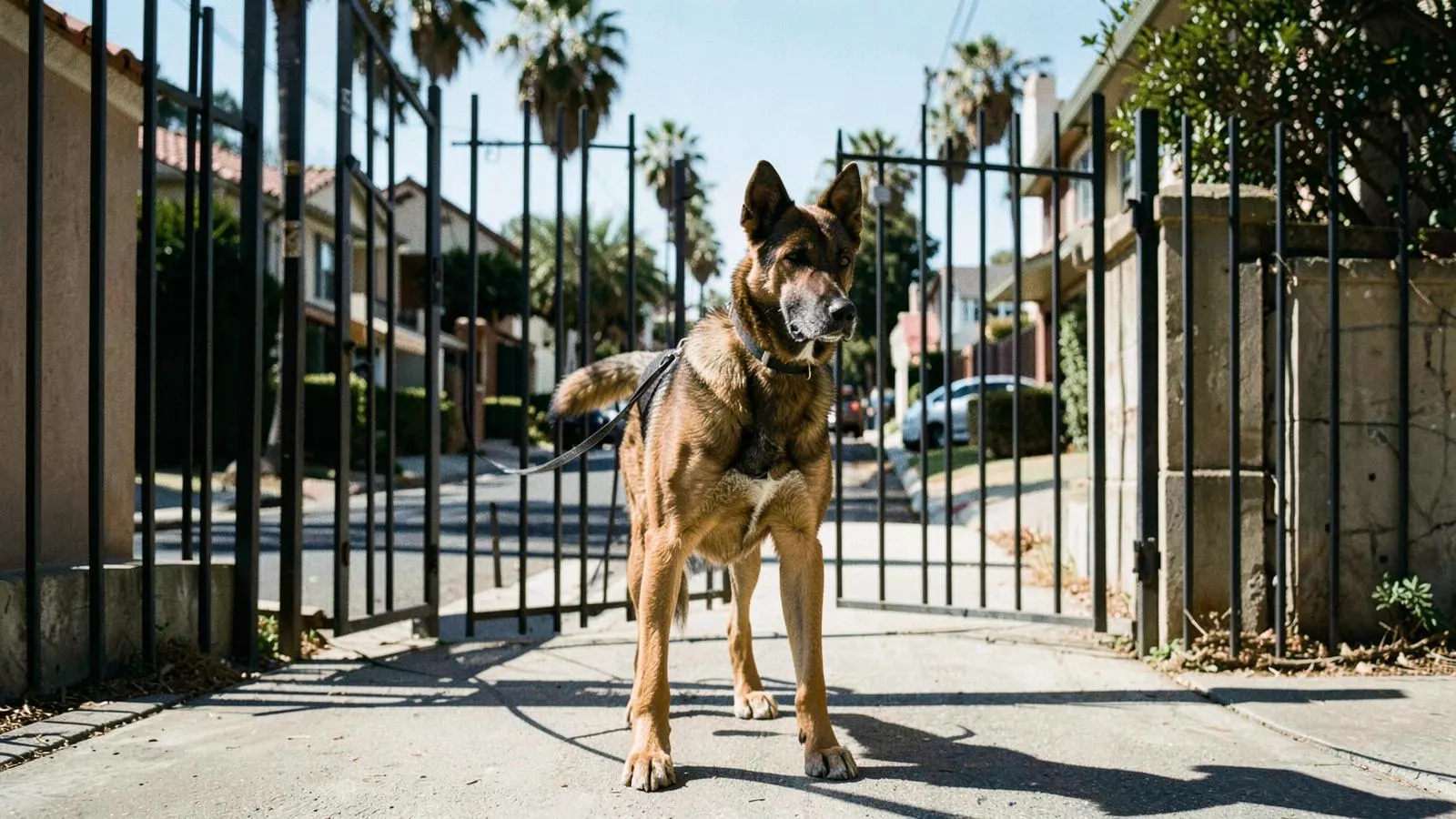
A dog bite in a dense, pet-heavy neighborhood like West Hollywood rarely happens in a private yard. It happens on a sidewalk on Santa Monica Boulevard, in a courtyard apartment building, at a dog park, or in the doorway of a pet-friendly shop. California law treats those bites differently from most injury cases, and the difference generally works in the injured person's favor.
California is a strict liability state for bites
Civil Code section 3342 makes a dog owner liable for damages when their dog bites someone in a public place, or lawfully on private property, regardless of whether the dog had ever bitten before and regardless of whether the owner knew the dog was dangerous. There is no "one free bite" rule in California. The old common-law requirement that the victim prove the owner knew of the dog's viciousness does not apply to bite claims under the statute.
What still has to be proven is the basic framework: that the defendant owned the dog, that the plaintiff was bitten, that the plaintiff was in a public place or lawfully on private property, and the extent of the harm. "Lawfully on private property" includes people carrying out a duty imposed by law — a postal carrier, a utility reader — as well as invited guests.
Injuries that are not bites
Section 3342 covers bites. A large dog that lunges and knocks a pedestrian into the street, or drags a person off a bicycle, has not necessarily bitten anyone. Those injuries are still actionable, but under ordinary negligence and, where applicable, local leash law violations rather than the strict liability statute. The practical effect is that fault has to be shown: that the owner failed to control the animal reasonably. A leash law violation can be strong evidence of that failure.
Leash rules and animal control
Los Angeles County and its cities require dogs to be restrained in public. When a bite is reported, an animal control agency typically opens a file, checks rabies vaccination status, and may impose a quarantine or a dangerous-dog designation. That file is often the most useful early evidence in a claim, because it is created by a neutral agency within days of the incident. Reporting a bite is worth doing even if you are unsure whether you will bring a claim — it establishes the date, the dog and the owner while everyone's memory is fresh.
Who actually pays
Most dog bite claims are paid by a homeowner's or renter's insurance policy, not by the owner personally. Renters insurance is common in West Hollywood's apartment stock, and it usually includes liability coverage for injuries the tenant's dog causes, on or off the property. Some policies exclude particular breeds or exclude animal liability entirely, which is why the policy language matters as much as the facts. Where a landlord knew about a dangerous animal on the property and did nothing, a separate claim against the property owner may exist.
Damages in a bite case
Bite injuries concentrate on the hands, forearms and face. That produces two categories that dominate these claims: infection risk and scarring. Medical treatment often includes wound irrigation, antibiotics, tetanus and sometimes rabies prophylaxis, followed by plastic surgery consultations for scar revision. Children are bitten in the face more often than adults because of height. Psychological effects — a lasting fear of dogs, disrupted sleep, avoidance of public spaces — are real and compensable when documented by a treating provider.
The deadline
A California personal injury claim, including a dog bite, generally must be filed within two years of the injury under Code of Civil Procedure section 335.1. A claim on behalf of a minor is subject to different tolling rules, and a bite by a dog owned by a public agency triggers a much shorter government claim deadline. If the dog was owned or handled by a public entity, see our article on injury claims against the City of Los Angeles, where the timeline is six months rather than two years.
What to do after a bite
- Get medical care the same day. Puncture wounds close over bacteria and infect quickly.
- Identify the owner and ask for vaccination records; get a phone number before leaving.
- Photograph the wound before it is bandaged, and again as it heals.
- Report the bite to the local animal control agency.
- Keep the clothing that was torn, and note any witnesses.
- Do not give a recorded statement to the owner's insurer before you understand the injury.
Hollywood Injury Law Center handles dog bite claims across Los Angeles County. You can read more on our dog and animal bite practice page, the plain-language dog bite guide, or the West Hollywood dog bite page. Consultations are free and attorney's fees are charged on a contingency basis — no fee unless you win. Call (323) 850-0101 or request a free case review.
This is general information, not legal advice. Prior results do not guarantee a similar outcome.