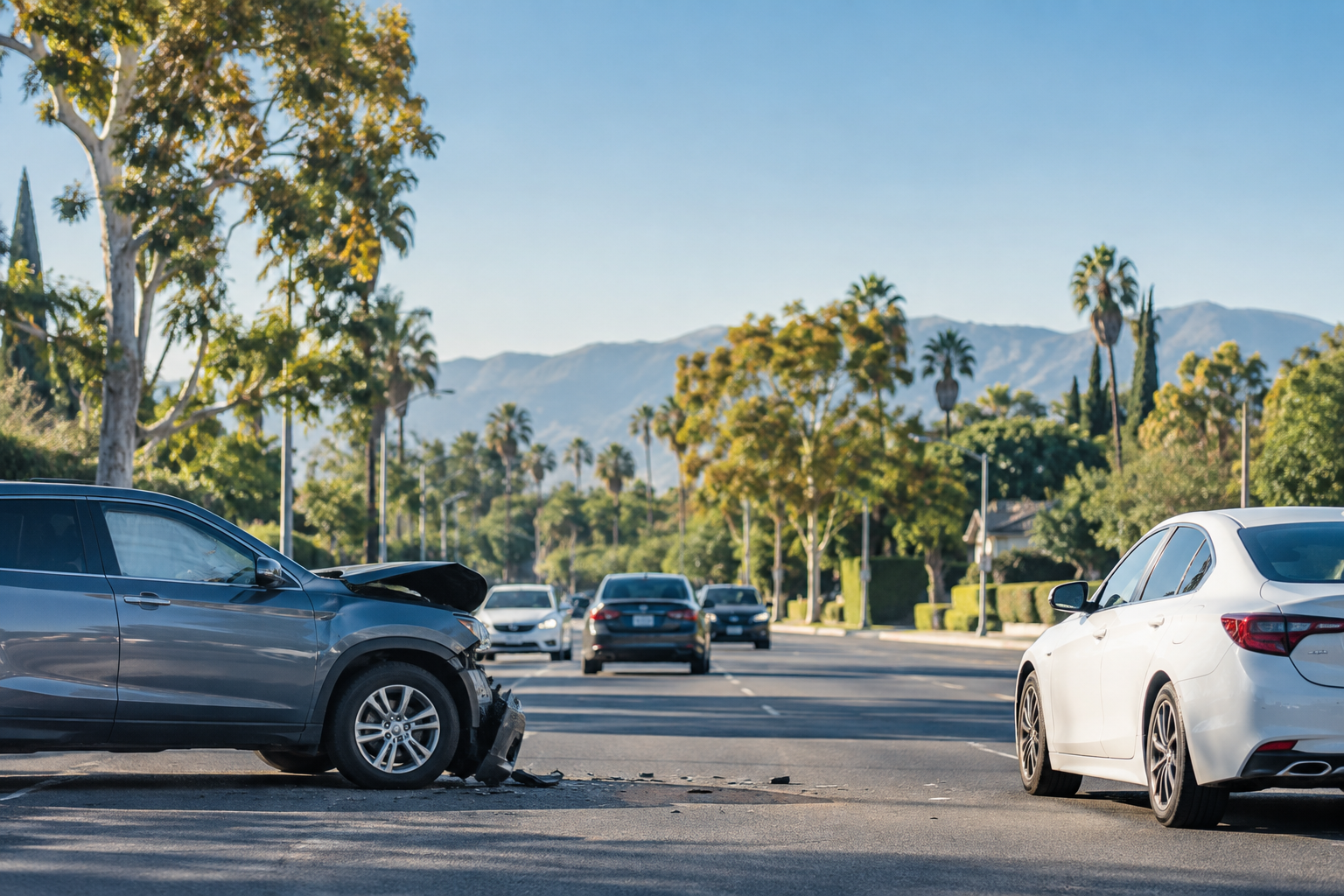
The value of an Encino car accident case depends on your injuries, financial losses, fault, available insurance, and supporting evidence. A fair evaluation should account for both your current harm and the accident’s likely future effects.
A car accident case in Encino is worth what the evidence shows you lost and suffered, subject to fault and available insurance coverage. The main factors include the severity of your injuries, medical costs, lost income, future care, pain, and how clearly the other party caused the crash. No honest estimate is possible until those facts are reviewed.
What Determines the Value of an Encino Car Accident Case?
Every crash affects a person differently. A collision that causes short-term soreness is not evaluated the same way as one that causes surgery, lasting pain, or an inability to work.
The nature and severity of your injuries
More serious injuries often require longer treatment and cause greater disruption. Medical records can show your diagnosis, treatment, physical limits, and whether you may need future care.
Your medical costs and future treatment
A claim may include reasonable accident-related care you already received. It may also account for future treatment when medical evidence supports that need.
Lost income and reduced ability to work
You may seek income you missed while recovering. If your injuries limit the type or amount of work you can do in the future, diminished earning ability may also be part of the claim.
Pain and changes to daily life
California law allows injured people to seek compensation for nonfinancial harm, such as physical pain, emotional distress, and loss of enjoyment of life. Evidence may include medical notes, photographs, and a clear record of how your injuries changed your sleep, mobility, family duties, or daily activities.
Who caused the crash
Liability means legal responsibility for the collision. Useful evidence may include photographs, witness information, vehicle damage, video, medical records, and other documents showing how the crash happened.
Available insurance coverage
Insurance limits can affect what money is realistically available. Depending on the facts, recovery may involve the at-fault driver’s policy, your own applicable coverage, or another legally responsible party.
How Fault Can Reduce Your Recovery
California uses pure comparative negligence. This means you may still recover damages if you were partly responsible, but your recovery is reduced by your percentage of fault.
Insurance companies may try to place more blame on you by focusing on speed, attention, lane position, or other conduct. Preserve evidence and avoid giving recorded statements or signing broad paperwork before you understand how it may affect your claim.
How the Claim Process Usually Works
The process often starts with medical treatment and an investigation. Evidence is gathered, losses are documented, and the responsible parties and insurance policies are identified.
A demand may then be presented to the insurer. Negotiations can follow, but filing a lawsuit may be necessary if the insurer disputes fault, minimizes your injuries, or refuses to make a fair offer.
Be careful with an early settlement. Once you sign a release, you usually cannot ask for more because your condition worsened or you later learned that additional treatment was needed.
California Deadlines That May Affect Your Case
California generally gives you two years from the injury date to file a personal injury lawsuit (CCP §335.1). Missing the deadline can prevent you from recovering, even when the other driver clearly caused the crash.
If a California public entity may be responsible, you generally must present an administrative claim within six months (Government Code §911.2). Other deadlines and exceptions may apply, so it is safer to check the timing early.
Evidence That Can Support the Value of Your Claim
A strong claim connects the crash to your injuries and each loss you are claiming. Helpful records may include:
- Photographs or video of the vehicles, scene, and visible injuries
- Witness names and contact information
- Medical records, bills, prescriptions, and treatment instructions
- Pay records and employer documents showing missed work
- Receipts for accident-related expenses
- A written account of your pain, limitations, and recovery
- Insurance letters, emails, and claim documents
Follow reasonable medical advice and attend recommended appointments. Gaps in care can make it harder to prove that the crash caused your symptoms or that your injuries were as serious as claimed.
What to Do After a Crash
- Get to a safe place if you can. Check yourself and others for injuries and request emergency help when needed.
- Seek medical care. Some symptoms are not obvious right away, and prompt evaluation also creates a record connecting your condition to the collision.
- Exchange information. Collect driver, vehicle, and insurance details without arguing about fault.
- Document the scene. Take photographs or video of damage, road conditions, signs, signals, and visible injuries if it is safe.
- Talk to witnesses. Ask for their names and contact details because they may be difficult to find later.
- Preserve records. Keep medical paperwork, bills, receipts, wage information, photographs, and insurer communications together.
- Be careful with insurance calls. Give necessary basic information, but do not guess, minimize your symptoms, or accept blame.
- Get legal advice early. A lawyer can review fault, deadlines, insurance coverage, and the full effect of your injuries before you accept a settlement.
Frequently Asked Questions
Can you tell me what my Encino car accident case is worth right away?
Usually not. Your condition, treatment needs, lost income, evidence of fault, and insurance coverage must be reviewed before a reliable evaluation is possible. Estimating too early can overlook future care or lasting limits.
What if I was partly at fault for the crash?
California’s pure comparative negligence rule may still allow you to recover. Your compensation is reduced according to your share of fault, so evidence about how the collision happened matters.
Does pain and suffering count in a car accident claim?
It can. Pain and suffering may include physical pain, emotional distress, and the ways your injuries interfere with sleep, movement, work, family responsibilities, and activities you once enjoyed.
Should I accept the insurance company’s first offer?
Do not accept an offer until you understand your injuries, likely future care, lost income, and other losses. A signed release usually ends the claim, even if your symptoms later become worse.
How long do I have to file a car accident lawsuit in California?
The general deadline for a personal injury lawsuit is two years from the injury date (CCP §335.1). A claim involving a California public entity generally must be presented within six months (Government Code §911.2), and special rules can change the timing.
What if the other driver’s insurance is not enough?
Other possible sources may need to be reviewed, including applicable coverage under your own policy or responsibility shared by another party. The available options depend on the policy language and facts of the crash.
Do I need a lawyer for an Encino car accident claim?
You are not required to have one, but legal help can be useful when injuries are serious, fault is disputed, or an insurer is pressuring you to settle. A lawyer can preserve evidence, identify deadlines, document your losses, and handle insurer communications.
If you were hurt in an Encino crash, Hollywood Injury Law Center — Bash & Polyachenko P.C. can review what happened and explain your options. Call (323) 850-0101 for a free consultation.
Frequently Asked Questions
This page is general information about California law, not legal advice, and reading it does not create an attorney-client relationship. Hollywood Injury Law Center — Bash & Polyachenko P.C. is licensed to practice in California.