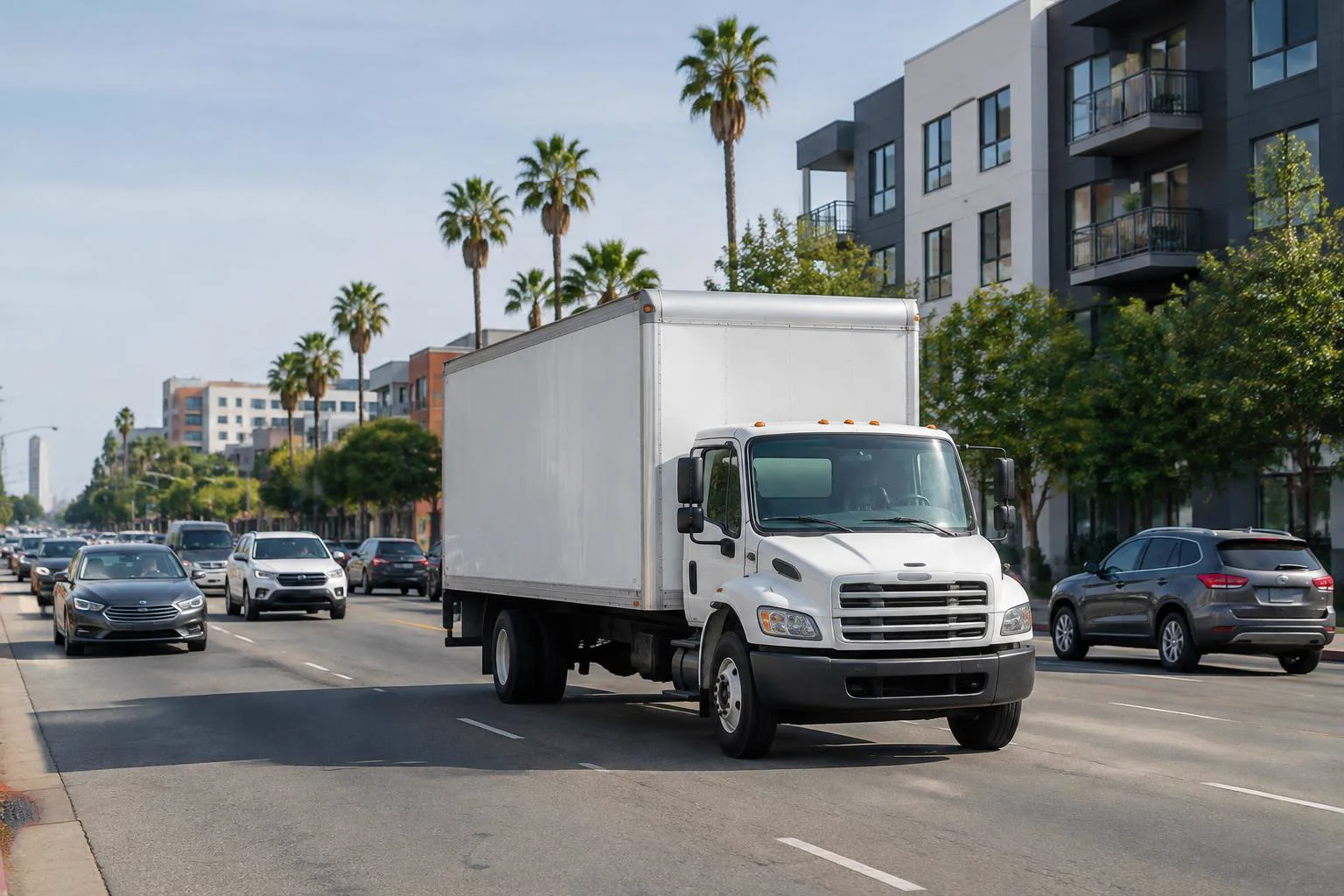
A truck accident claim in Mid-City may involve several responsible parties, commercial insurance policies, federal safety rules, and evidence controlled by the trucking company. Acting quickly can help preserve records needed to prove what happened.
A truck accident claim in Mid-City is different because responsibility may extend beyond the driver to a trucking company, cargo company, maintenance provider, or vehicle manufacturer. These cases may also involve commercial insurance, federal safety rules, severe injuries, and evidence that can disappear unless it is preserved quickly.
Why Truck Accident Claims Are More Complicated
A passenger-car crash often focuses on whether one driver acted carelessly. A commercial truck collision can require a much broader investigation into the driver, the truck, the cargo, and the companies involved in the trip.
More than one party may share legal responsibility. Identifying every responsible person or business matters because each may have different insurance coverage and defenses.
Several Parties May Be Responsible
The truck driver may be responsible for speeding, distraction, fatigue, an unsafe lane change, or another careless act. The driver’s employer may also be responsible for its own conduct or for work performed within the driver’s job duties.
Other possible parties include a business that loaded the cargo, a company responsible for maintenance, a truck or parts manufacturer, or another driver who helped cause the crash. Liability depends on the facts, contracts, and working relationships in your case.
Trucking Evidence Can Be Time-Sensitive
Important evidence may include electronic driving records, inspection and maintenance documents, driver qualification files, dispatch communications, cargo records, onboard data, and available video. Some of this material may be held by the trucking company or another business rather than by you.
A lawyer may send a written preservation notice telling those parties not to destroy relevant evidence. Early investigation can also help document the vehicles, roadway conditions, witness accounts, and your injuries before memories fade or conditions change.
Federal and California Safety Rules May Apply
Commercial drivers and motor carriers may be subject to federal safety rules covering driving time, inspections, maintenance, cargo securement, and driver qualifications. A violation does not automatically decide your case, but it may help show that someone failed to use reasonable care.
California traffic laws also apply. Your claim may require comparing company records, electronic data, witness statements, and physical evidence to determine whether a safety rule was broken and whether that violation caused the crash.
How Fault Is Determined
To recover damages, you generally must show that another party failed to use reasonable care and caused your injuries. In a Mid-City truck accident case, this may require accident reconstruction, review of business records, and input from qualified experts.
California follows pure comparative negligence. If you share some fault, your recovery may be reduced by your percentage of responsibility rather than automatically barred. Trucking companies and insurers may argue that you caused or worsened the collision, so preserving evidence that answers those claims is important.
The Trucking Company May Start Investigating Right Away
A trucking company or its insurer may begin gathering information soon after the crash. An insurance representative may ask you for a recorded statement or broad access to your medical history.
You should report the collision honestly, but you do not have to guess about speed, distance, fault, or the full extent of your injuries. Consider getting legal advice before signing a release or giving a recorded statement to the other side.
What Determines the Value of a Truck Accident Claim?
No responsible lawyer can value your claim from the crash type alone. The value depends on evidence showing how the collision affected your health, work, independence, and daily life.
- Injury severity: The nature of your injuries, pain, limitations, and expected recovery all matter.
- Medical care: Bills, treatment records, future care needs, rehabilitation, medication, and medical equipment may be considered.
- Lost income: Your time away from work and any lasting reduction in your ability to earn may affect the claim.
- Liability evidence: Clear proof of fault can strengthen your position, while disputed fault may make the case harder.
- Personal impact: Pain, emotional distress, sleep problems, and loss of normal activities may be part of your damages.
- Insurance and responsible parties: Available coverage and the number of legally responsible parties can affect recovery.
- Property damage: Repair or replacement issues and loss of use may also be included.
If the crash caused a death, eligible family members may have a wrongful death claim. Recoverable losses depend on the family relationship, financial support, and other facts recognized by California law.
Deadlines for a California Truck Accident Claim
California generally gives you two years from the date of injury to file a personal injury lawsuit (CCP §335.1). Missing the deadline can end your right to seek recovery, even if the evidence of fault is strong.
Shorter rules may apply when a California public entity or public employee is involved. A government claim generally must be presented within six months for personal injury or property damage (Government Code §911.2). Other exceptions can change the deadline, so it is safer to have the date reviewed promptly.
These legal deadlines are not the only reason to act. Electronic information may be overwritten, vehicles may be repaired, and witnesses may become harder to locate.
What to Do After a Crash
- Call for emergency help. Report the crash and request medical assistance if anyone may be hurt.
- Get medical care. Some serious injuries are not obvious right away. Follow treatment advice and report new or worsening symptoms.
- Document the scene if it is safe. Take photos or video of vehicle positions, damage, skid marks, debris, road conditions, company markings, and identifying numbers on the truck.
- Exchange information. Get the driver’s name, contact details, license information, insurance information, employer, and truck ownership details.
- Find witnesses. Ask for names and contact information from anyone who saw the collision.
- Protect physical evidence. Keep damaged personal items and avoid repairing or disposing of your vehicle before it can be documented when possible.
- Keep organized records. Save medical documents, bills, receipts, work-loss records, photographs, and all messages from insurers.
- Avoid public posts about the crash. Insurers may use photos or comments out of context to challenge your injuries or account.
- Speak with a truck accident lawyer promptly. A lawyer can investigate responsibility, request records, and take steps to preserve trucking evidence.
Frequently Asked Questions
Can I sue the trucking company as well as the driver?
Possibly. A trucking company may be responsible for its own failures, such as unsafe hiring, supervision, or maintenance, and it may also be liable for certain acts of a driver working within the scope of employment. The answer depends on the employment relationship and evidence surrounding the trip.
What if the truck driver says I caused the crash?
The driver’s statement does not decide the case. California’s pure comparative negligence rule allows recovery even when you share some responsibility, although your recovery can be reduced based on your percentage of fault. Vehicle data, video, witnesses, records, and physical evidence may help resolve the dispute.
Should I give the trucking insurer a recorded statement?
You should be cautious before giving a recorded statement to the other side. You may not yet know the full extent of your injuries, and innocent mistakes can be used against you. You can seek legal advice before agreeing.
What evidence should be preserved after a truck crash?
Useful evidence may include electronic driving information, inspection and maintenance records, dispatch messages, cargo documents, driver qualification files, onboard data, photographs, video, and witness information. Because businesses may control much of this material, a prompt preservation request can be important.
How long do I have to file a truck accident lawsuit?
California generally allows two years from the injury date to file a personal injury lawsuit (CCP §335.1). A claim involving a public entity may require a government claim within six months (Government Code §911.2). Exceptions may apply, so do not wait until the deadline is close.
What if I did not feel badly injured at the scene?
Some symptoms appear or worsen after the shock of a crash fades. Get medical attention if you have pain, dizziness, numbness, confusion, weakness, or any other concern, and explain when each symptom began. Medical records can connect your condition to the collision and document your recovery.
How is my Mid-City truck accident claim valued?
Value depends on your injuries, medical care, lost income, future needs, pain, daily limitations, strength of the liability evidence, and available insurance. It also depends on whether several parties share responsibility. A careful review of records and long-term effects is needed before making an assessment.
What if a loved one died in the truck crash?
Certain surviving family members may be able to bring a California wrongful death claim. The claim can address legally recognized losses tied to the death, but eligibility and damages depend on the family relationship and case facts. Separate claims may also arise from losses suffered before death.
If you were hurt or lost someone in a Mid-City truck accident, Hollywood Injury Law Center — Bash & Polyachenko P.C. can review what happened and explain your options. Call (323) 850-0101 for a free consultation.
Frequently Asked Questions
This page is general information about California law, not legal advice, and reading it does not create an attorney-client relationship. Hollywood Injury Law Center — Bash & Polyachenko P.C. is licensed to practice in California.