
The first bill often arrives long before any settlement offer appears. If you were hurt in a crash, you may already know the hard truth about car accident medical bills in California: the other driver's insurance company usually does not pay them as they come in.
That does not mean you are left without options. Instead, you need to understand who is responsible for covering your medical expenses early on, who gets reimbursed later, and how to protect your legal claim while you focus on your recovery.
Key Takeaways
- You pay first: In California's fault-based system, the at-fault driver's insurance company does not pay your medical bills as they occur; you are typically responsible for covering these costs initially.
- Multiple payment sources: Before a settlement is reached, you can manage expenses using your private health insurance, auto policy MedPay, medical liens, or personal out-of-pocket payments.
- Avoid early settlements: Insurance companies often delay payment to investigate the claim, and accepting an early settlement offer can prevent you from receiving full compensation for future medical needs.
- Reimbursement later: After your case resolves, medical bills are often paid or reimbursed from the final settlement funds, though your attorney may negotiate these amounts to maximize your recovery.
The short answer: you usually pay first, then seek repayment later
California is an at-fault state. The at-fault driver who caused the crash is usually responsible for your losses, including necessary medical care. Still, that legal responsibility often gets resolved at the end of the claim, not while you are actively receiving medical treatment.
The at-fault driver may be legally responsible, but your doctors still expect payment on their normal schedule.
So who covers the bills while your case is pending? In most situations, the money comes from your own resources first, then gets folded into your injury claim later.
This is the basic payment flow:
| Payment source | When it helps | What happens later |
|---|---|---|
| Health insurance | Right away | The insurer may seek repayment from your settlement |
| MedPay on your auto policy | Right away, regardless of fault | It can reduce your out-of-pocket costs |
| Medical lien | Treatment now, payment later | The provider gets paid from settlement funds |
| Out-of-pocket payment | Anytime you choose or must | You seek reimbursement in your claim |
Because California is not a no-fault state, you do not use personal injury protection the way drivers do in some other states. The California Legislative Analyst's Office discussion of no-fault proposals helps show why California still handles crashes through the fault-based system.
That system matters because it delays payment. Even when fault looks obvious to you, the insurance company still investigates, argues over the necessity of your care, and negotiates the total value of your claim.
The main ways medical bills get covered before settlement
You usually have four realistic options before the case ends. The best one depends on your insurance, your providers, and the seriousness of your injuries.
Health insurance is often your first line of payment
If you have private insurance, employer coverage, Medi-Cal, or Medicare, use it. That gets your treatment moving without waiting months for the liability insurer to act.
Your health insurance company may cover emergency room care, imaging, surgery, physical therapy, follow-up visits, and prescriptions. You may still owe co-pays, deductibles, or coinsurance. Later, the insurer may ask for reimbursement from your settlement through subrogation.
That word sounds technical, but the idea is simple. Your health insurer pays now, then tries to recover what it paid from the person who caused the crash.
Medical payments coverage can help even if the crash was not your fault
Medical payments coverage, often referred to as MedPay, is optional on many California auto policies. If you bought it, this coverage can pay accident-related treatment regardless of fault.
It often helps with ambulance bills, emergency room charges, and follow-up treatment. Unlike liability insurance, it can start helping right away. For a plain-language overview of how medical payments and similar first-party coverage work, see Allstate's explanation of PIP and related auto medical coverage.
A medical lien may let you treat now and pay later
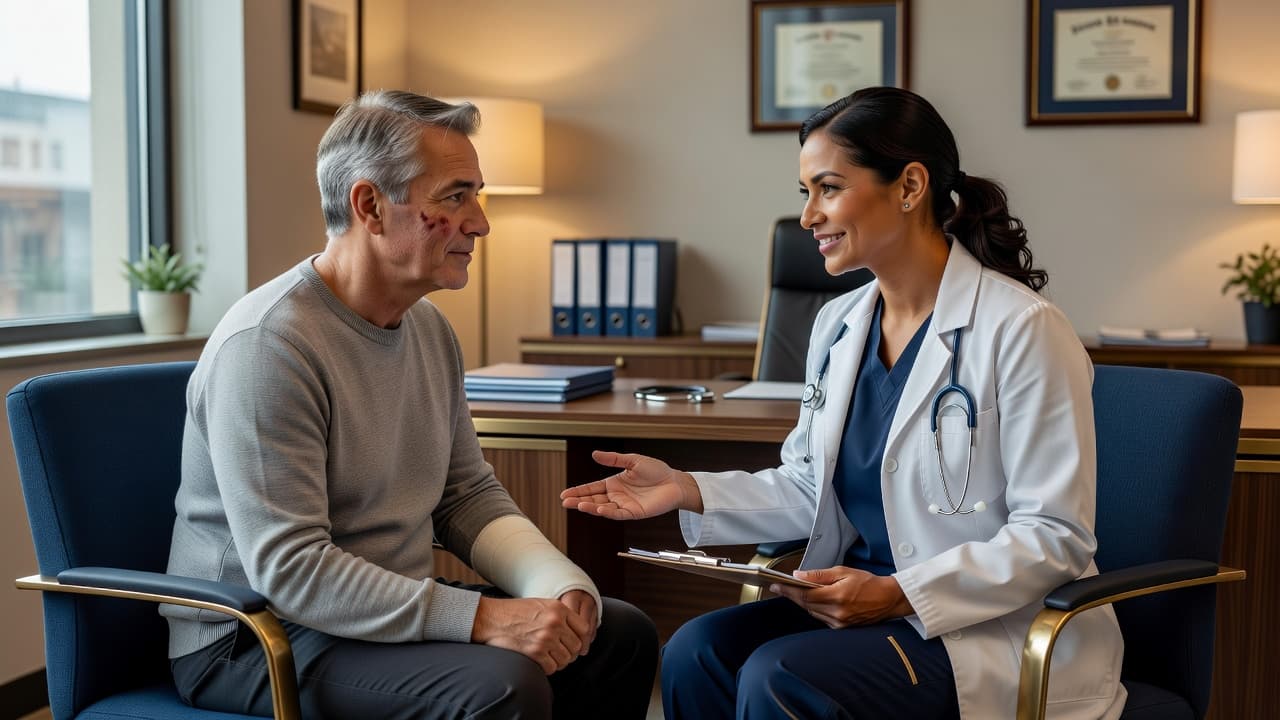
Some doctors, specialists, and therapy providers will treat you on a medical lien. That means they agree to wait for payment until your case settles.
This can help if you lack health insurance or if your policy does not cover enough care. However, a lien is not free treatment. It is delayed payment. The provider expects to be paid from your settlement proceeds.
Sometimes you pay out of pocket
If you do not have health coverage, medical payments coverage, or a medical lien option, you may have to pay some bills out of pocket. Keep every receipt, invoice, prescription record, and mileage log for medical visits. These expenses, along with documentation of any expected future medical costs, may become part of your demand for compensation for your car accident injuries.
Why the other driver's insurance usually will not pay as bills arrive
Many people assume the at-fault driver's liability insurance should send checks directly to doctors immediately after a crash. In reality, that almost never happens.
There are three primary reasons for this delay. First, the insurer needs sufficient time to investigate who was at fault for the accident. Second, they want to verify that your medical treatment was both reasonable and directly related to the collision. Third, adjusters often wait until you have finished your care or your condition has stabilized so they can properly evaluate the claim as a whole for bodily injury damages.
This delay often creates significant financial stress. Your hospital, imaging center, chiropractor, or physical therapist will not pause their billing cycles simply because an insurance adjuster is still reviewing the claim.
You also need to exercise caution regarding early settlement offers. An insurer may offer a quick payout before you fully understand the extent of your injuries or the total cost of your medical treatment. If you accept a settlement too soon, that money may not cover your future care, and in most cases, you cannot go back to request additional funds.
This is exactly why many injured people choose to consult with a qualified car accident lawyer before signing any documents. If your injuries are serious, a proper settlement must account for both your current unpaid bills and your long-term medical needs.
What happens to your medical bills when the case settles
When your case reaches a resolution, the final insurance settlement does not always land in your pocket untouched. Several outstanding claims must be addressed before you receive your funds.
If your health insurer paid for your accident-related treatment, it may assert a reimbursement claim. If a doctor provided care based on a lien, that amount typically must be satisfied using the settlement proceeds. Fortunately, your lawyer may be able to negotiate these balances down, depending on the specific circumstances and the provider.
California follows the paid or incurred rule, which is often tied to the Howell decision. In plain English, your recoverable medical expenses usually track what was actually paid or what remains owed, rather than the highest sticker price that first appeared on your initial bill.
This distinction is vital because hospital bills can look enormous on paper. The legal value of those charges often changes after accounting for insurance adjustments, lien negotiations, and contractual write-downs.
Your claim may include more than just your medical costs. A car crash settlement can also cover lost wages, pain and suffering, future treatment, and other losses tied to the collision. If the at-fault driver carried low policy limits, your recovery may become more complicated. In those instances, your own uninsured motorist coverage or underinsured motorist coverage may play a significant role in your final recovery.
Because every deduction affects your net payout, this final stage deserves close attention. A rushed signature can cost you significantly more than the accident itself.
Frequently Asked Questions
Why doesn't the other driver's insurance pay my medical bills immediately?
The at-fault driver's insurance company must first investigate liability and verify the necessity of your treatment before issuing any payment. They generally wait until your medical condition stabilizes or your treatment concludes to evaluate the total value of your bodily injury claim.
Can I use my own health insurance to pay for accident-related injuries?
Yes, using your own health insurance is often the most effective way to cover your medical expenses immediately while your claim is pending. Your health insurance company may later seek reimbursement from your final settlement through a process known as subrogation.
What is a medical lien?
A medical lien is an agreement where a healthcare provider treats you now with the understanding that they will be paid directly from your eventual settlement proceeds. This option is helpful if you do not have health insurance or if your existing coverage does not pay for all necessary accident-related care.
Should I accept an early settlement offer to pay off my mounting bills?
It is generally not recommended to accept a quick settlement offer because it may be far less than the true cost of your total medical care. Once you sign a settlement release, you usually cannot request more money later, even if you discover your injuries require long-term treatment.
What to do after a car accident in California if bills are piling up
If you are trying to figure out what to do after a car accident in California, start with your health, not the claim form. Get medical care right away, even if your pain appeared a day later.
Then protect the paper trail. Save discharge papers, imaging reports, prescriptions, ride receipts, wage records, and every bill. Take photos of the scene and your injuries if you can. Do not admit fault, and do not give a recorded statement without legal guidance.
Most cases involving a personal injury claim in California must be filed within two years under Code of Civil Procedure section 335.1. Some cases, including those involving public entities, have much shorter deadlines. Whether you are researching how to file a personal injury claim in California or looking for a qualified professional, time is a critical factor.
If you have been searching for a personal injury attorney or a car accident lawyer near your location, you are likely at a stage where documentation and deadlines are critical. Finding the right legal representation can ensure your rights are protected while you focus on recovery.
You do not need to pay upfront to ask questions. Hollywood Law Center is a boutique Los Angeles personal injury firm that has handled accident and injury claims since 2000. You can talk with a no win no fee lawyer that clients can reach without adding another bill to the stack. Consultations are always free, Hablamos Espanol, and your immigration status does not cancel your right to seek help under California law.
If bills are growing and the insurance company is stalling, Get a Free Case Review. A free consultation can help you understand your options before you make a costly mistake.
Conclusion
Before a settlement arrives, you usually rely on health insurance, MedPay, a medical lien, or your own funds to manage car accident medical bills. While the other driver's insurer may ultimately be held responsible, they rarely pay medical expenses in real time as your treatment progresses.
If you are hurt and overwhelmed, get legal guidance before accepting a fast offer or ignoring a bill. Contact Hollywood Law Center at 323-850-0101 for a free consultation, or visit our office at 6253 Hollywood Blvd., Suite 205, Hollywood, CA 90028 to get clear answers about your case.
If you need help now, Get a Free Case Review and find out where your claim stands.